
Hip openers in yoga: why flexibility is only part of the practice
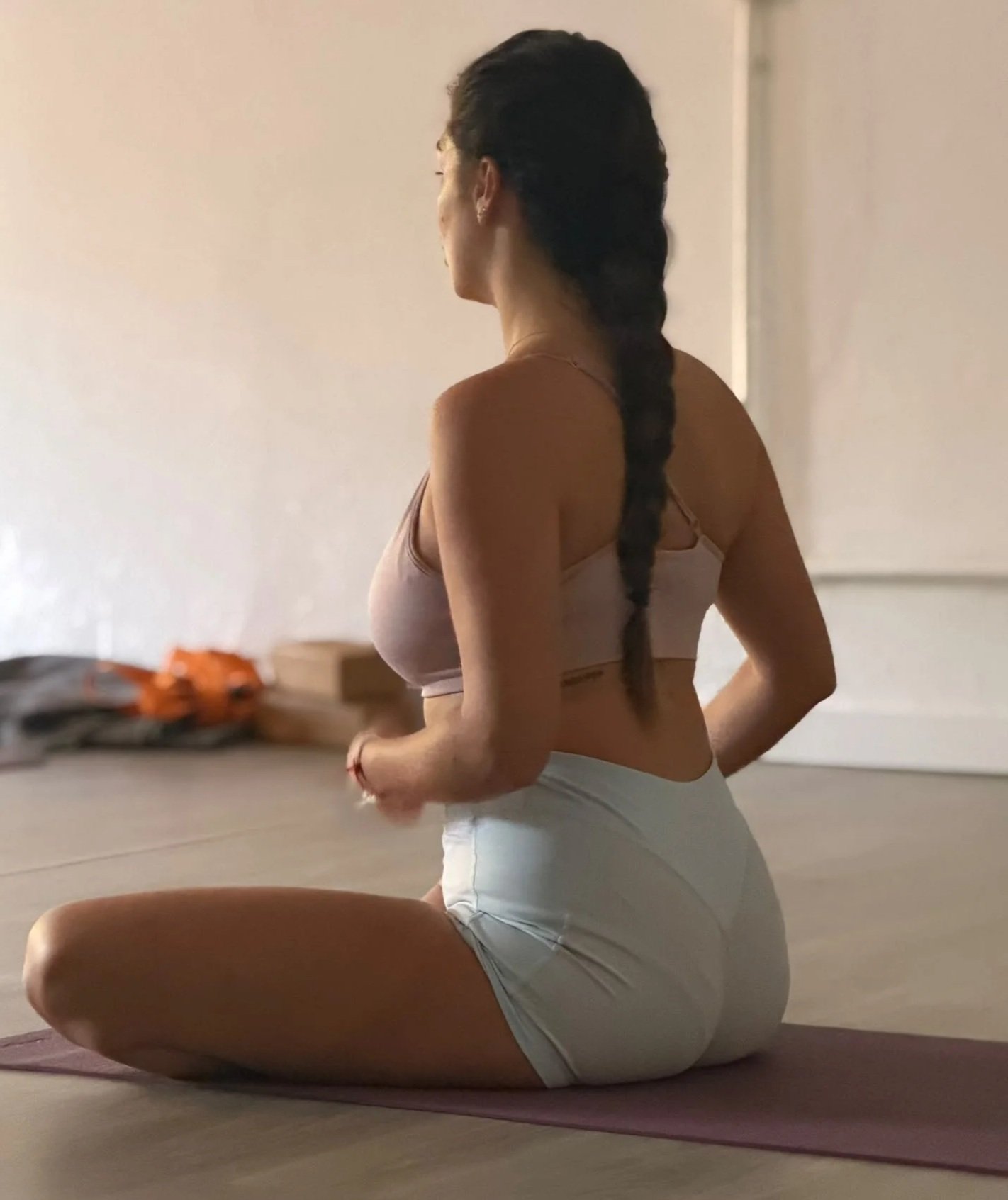
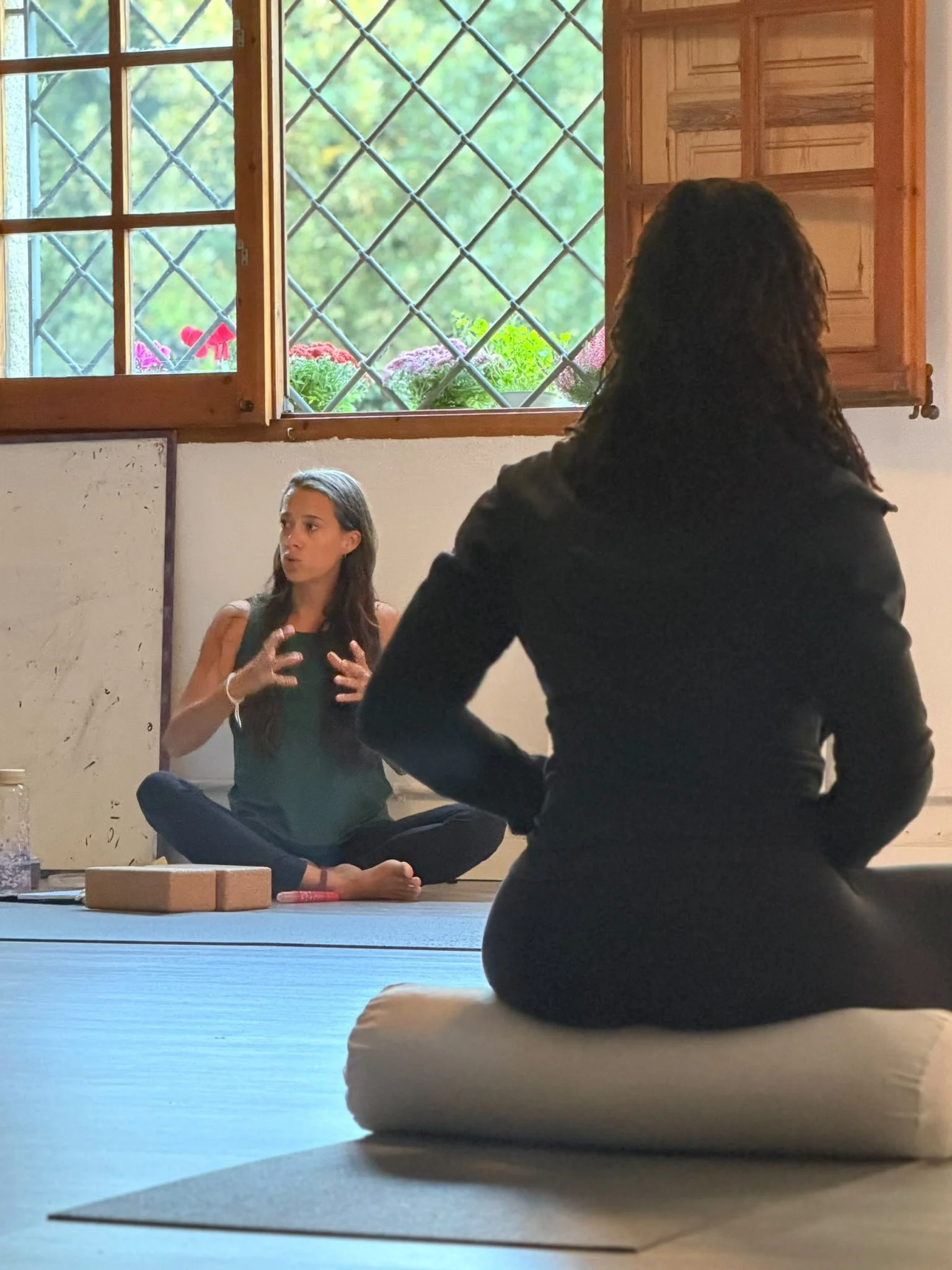
At 5:30 this afternoon, the shala went quiet. Mats were laid out, and our students gathered for a Hip Openers class. An opportunity to slow down, explore movement and pay a little more attention to what our bodies are doing.
And while hip openers are something we come across in almost every yoga class, there's much more to them than simply stretching deeper into a posture.
From Pigeon Pose to Butterfly Pose, we're familiar with the movements, but how much do we actually understand about what's happening in our bodies?
Today's Hip Openers class at Nydum gives us a good opportunity to look at a subject that's often misunderstood in yoga: the difference between flexibility, mobility and understanding how our bodies move.
What are we really working on in hip-opening yoga?
Watch today’s class here
Despite the name, our hips don't literally "open."
The hip is a ball-and-socket joint that allows movement in several directions, including flexion, extension and rotation. Different yoga postures explore different movements, involving the muscles and tissues surrounding the joint.
And here's something worth remembering: not everyone experiences the same posture in the same way.
Our individual anatomy, bone structure, mobility and muscular strength all influence how we move. What feels like a comfortable stretch for one person might feel completely different for another.
This is also why being more flexible doesn't necessarily mean having better mobility. Flexibility describes our available range of motion, while mobility involves our ability to move through that range with control.
Understanding this distinction can change how we approach our practice.
Why understanding anatomy matters when teaching yoga
As yoga practitioners, we often focus on how a posture feels. But as teachers, we also need to understand why we're practicing it.
What muscles are involved? What is the intention behind the movement? How can we adapt a posture to different bodies?
Take a hip-opening sequence, for example. Rather than simply choosing a series of deep stretches, understanding functional anatomy allows us to create a more thoughtful class, combining mobility, strength, stability and appropriate variations.
The goal isn't to make every student look the same in a posture. It's to understand what each student needs.
And that kind of knowledge takes time, observation and continued practice.
Continuing your yoga education at Nydum
Completing a 200-hour Yoga Teacher Training gives you the foundations to begin teaching. But often, it's when you start applying that knowledge that new questions arise.
Our 300-hour Yoga Teacher Training, currently taking place at Nydum, offers the opportunity to continue exploring subjects such as functional anatomy, biomechanics, sequencing and teaching methodology.
Classes like Hip Openers are a reminder of how much there is to discover within movements we may have practiced hundreds of times.
For those looking to begin their journey with a more extensive education, our 500-hour Yoga Teacher Training in Costa Brava, Spain combines the foundational 200h and advanced 300h programs into one complete residential training.
Whether you're preparing to become a teacher or looking to develop the skills you already have, there's always something new to learn.
Sometimes, it starts with looking at a familiar posture from a different perspective.
Interested in continuing your yoga education?
Explore our 300-hour Yoga Teacher Training or discover the 500-hour Yoga Teacher Training at Nydum.